Watches
Build better
Our Story
Labs
Shop Now
Shop now

Build better

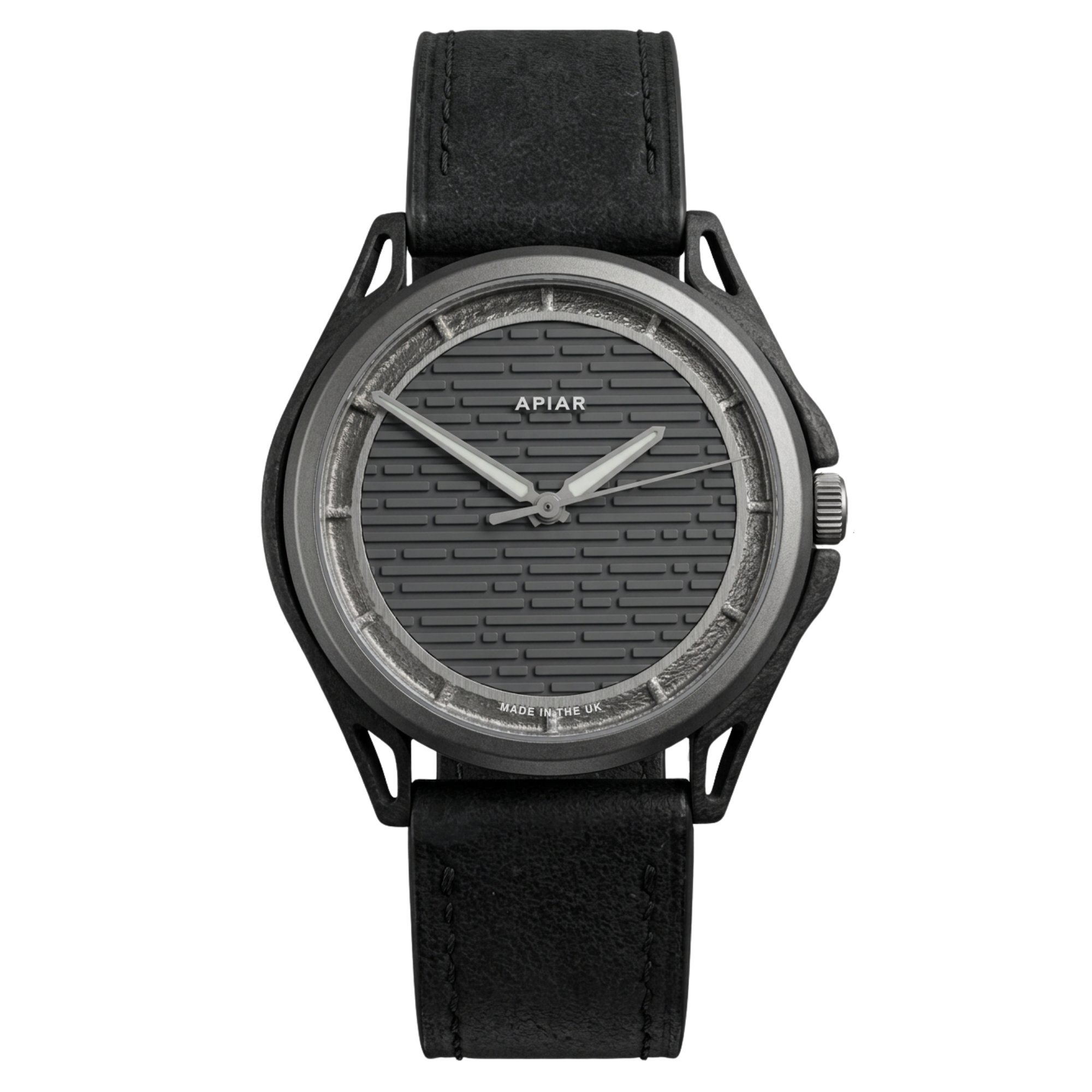
The future of watch manufacturing

Scroll Down Arrow

Impossible engineering.

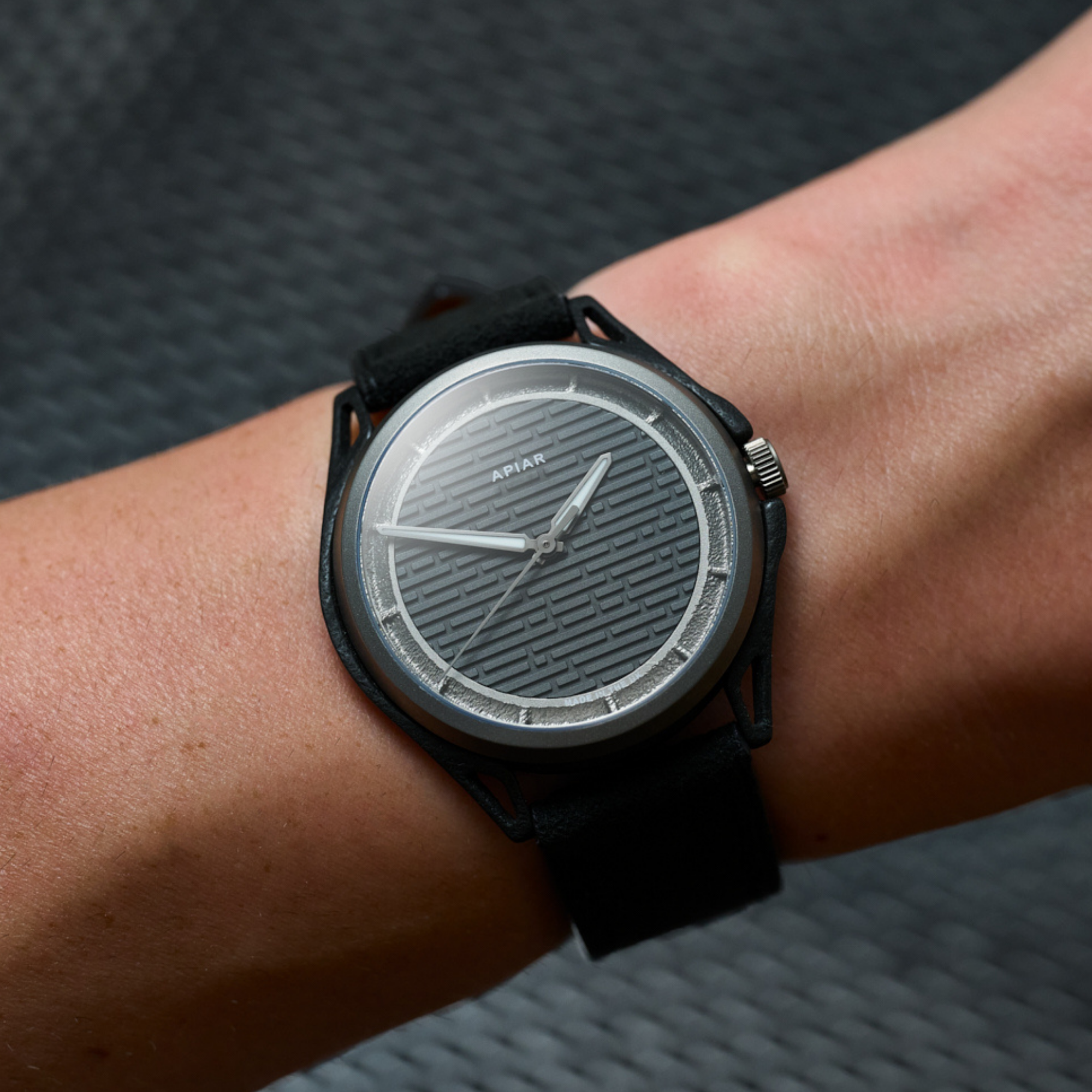
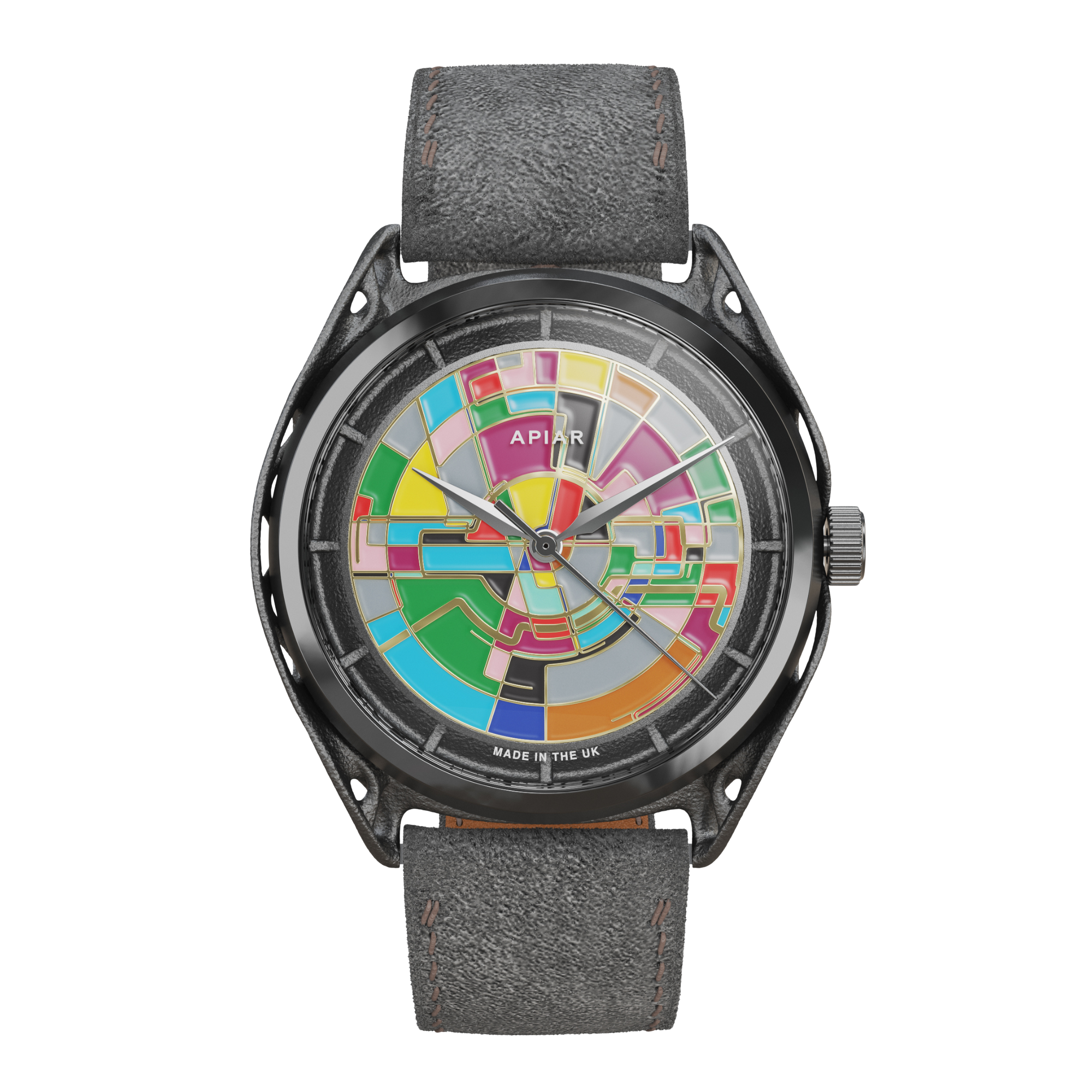
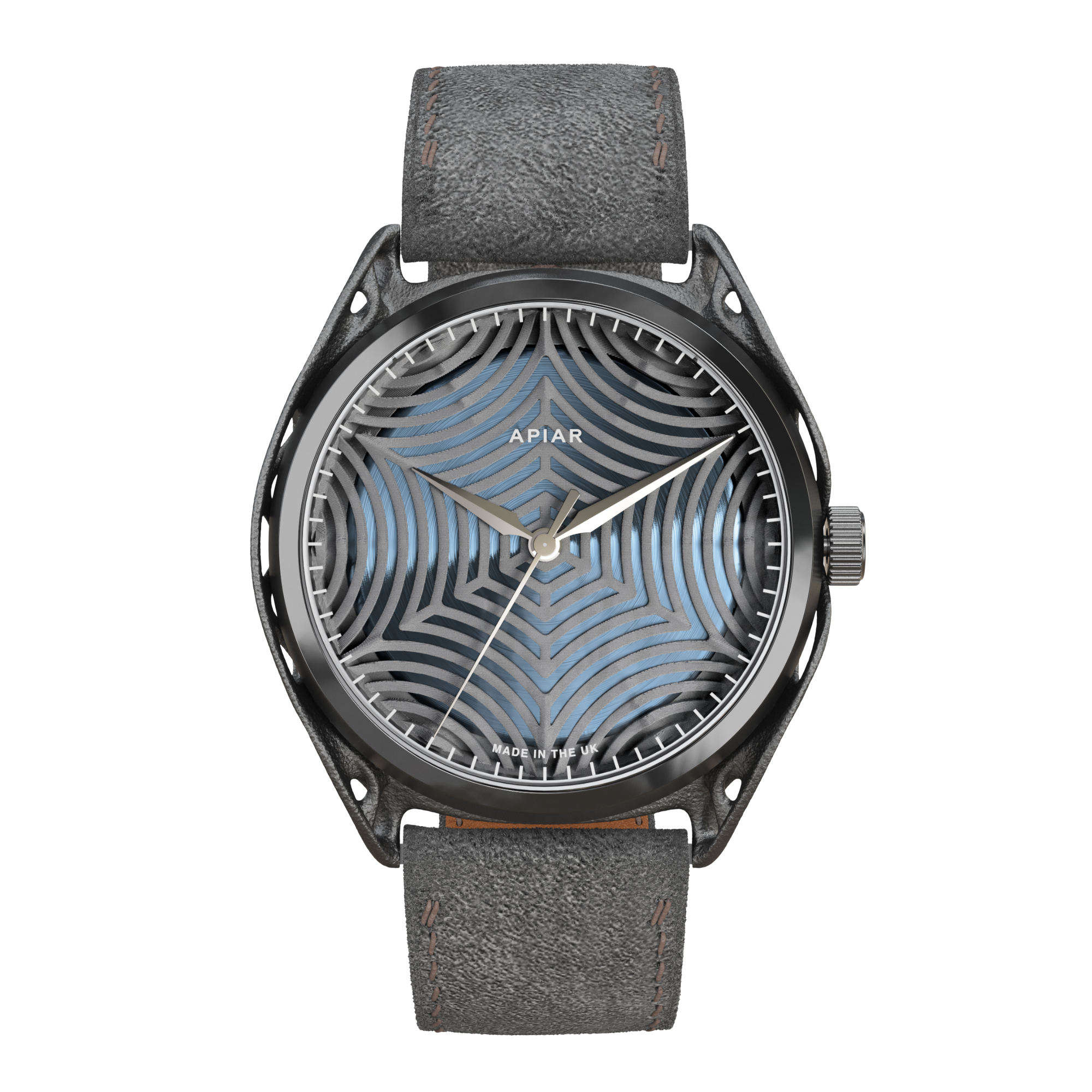
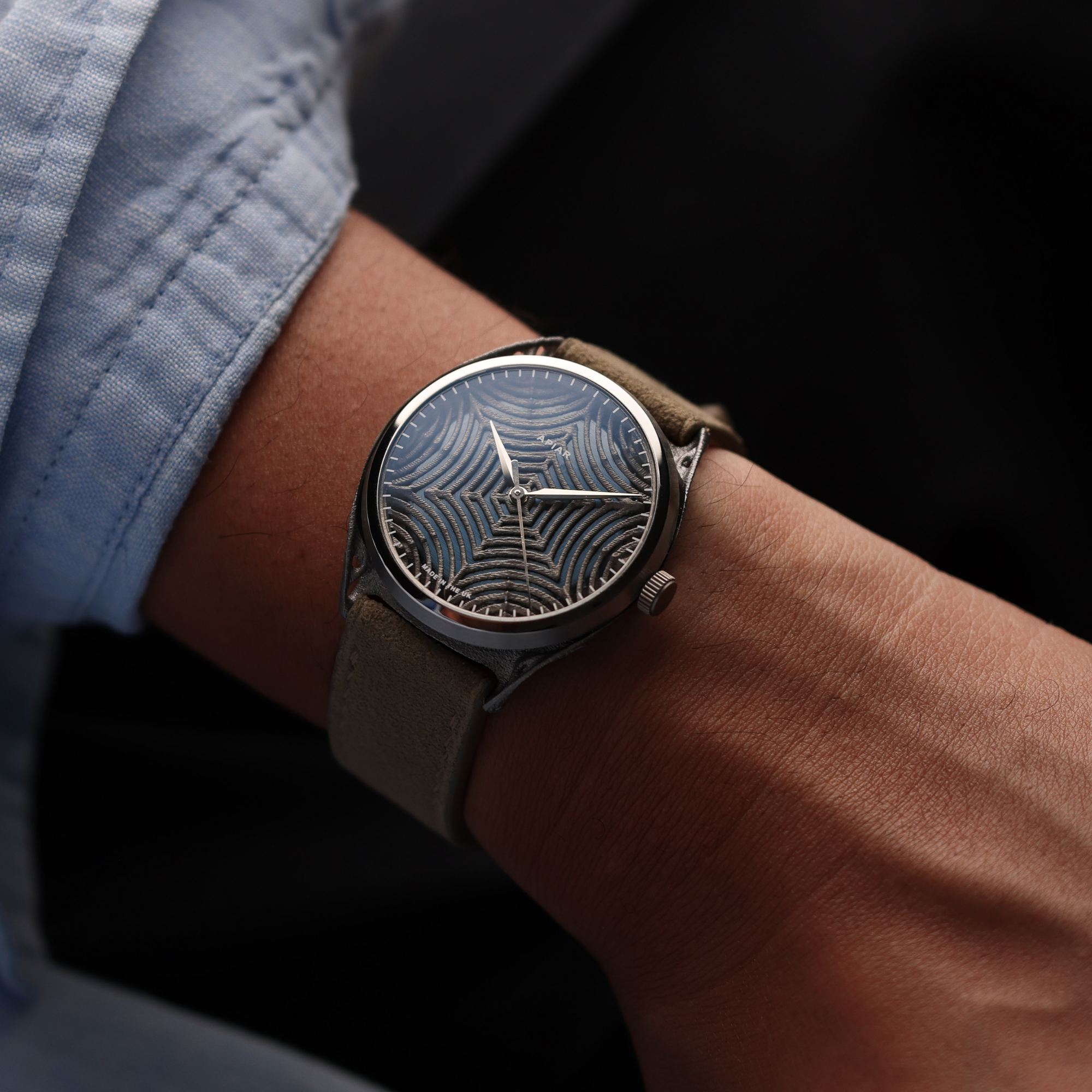
We use the exact same materials, additive manufacturing techniques, and precision engineering that you'll find in £5 million hypercars and orbital rocket engines. We figured if it's good enough for them, it's good enough for the watch on your wrist. So how do we build them?

Build british

explore who we partner with to build our watches

Map of the UK

Explore partners

Location
SW London
Partner Logo

Select a pin on the map to learn more about the incredible manufacturing partners Apiar works with across the UK. Focus on high-precision engineering.

Details
Details
Details
Details
Read more about our manufacturing process

Build Impossible

Watch how we do it on YouTube
1. Start with the best materials
  • We use grade 23 titanium - a better choice than the grades 2 and 5 titanium commonly used in watchmaking.

  • Grade 23 is tougher (more resistant to fracturing) and even friendlier to skin (‘biocompatibility’), thanks to its very low oxygen content (0.013%).

  • That’s why it’s commonly used by aerospace and biomedical companies. If it’s good enough for them…

Laser Icon
2. Fire up the lasers!
  • Our process is called Laser Powder Bed Fusion (L-PBF).

  • This builds the watches using lasers to ‘sinter’ titanium powder - heating it to over 1,660°C, at high pressure, to form a solid shape.

  • It does this one layer at a time - each one is just 0.06mm thick - until the complex and unique case is complete.

  • If you’re an engineer (or just a massive geek) we use the latest Renishaw 500Q Flex machines. They’re good!

3. Prepare the case for heating
  • Because we use titanium powder, at this stage the cases are a bit…powdery. So the machine uses fine brushes to remove 99% of any powder that’s left behind.

  • We then shake things up, putting the cases in a high-frequency oscillating machine. This helps get rid of any final specks left inside the complex geometrical shapes.

4. Turn up the heat
  • Next up, we put the cases in a precisely controlled furnace, heating them at 850°C for two hours, a process called ‘annealing’.

  • Heat treatment helps make the cases stronger, relieving any residual stresses and making sure we’re making the most of the mechanical properties of the grade 23 titanium.

5. A sharp cut and finish
  • During the build process, the cases are welded to a ‘build plate’ - so they need to be removed.

  • We do this using Electrical Discharge Machining, a non-traditional type of precision engineering, using heat to cut the cases away, rather than mechanical force.

  • Once the cases are detached, we carry out the final ‘finishing’ - just enough to make them look sharp and feel good, but not so much that it removes the distinctive hallmarks of the additive manufacturing process.
Build sustainable

learning how we tread lightly to build the impossible

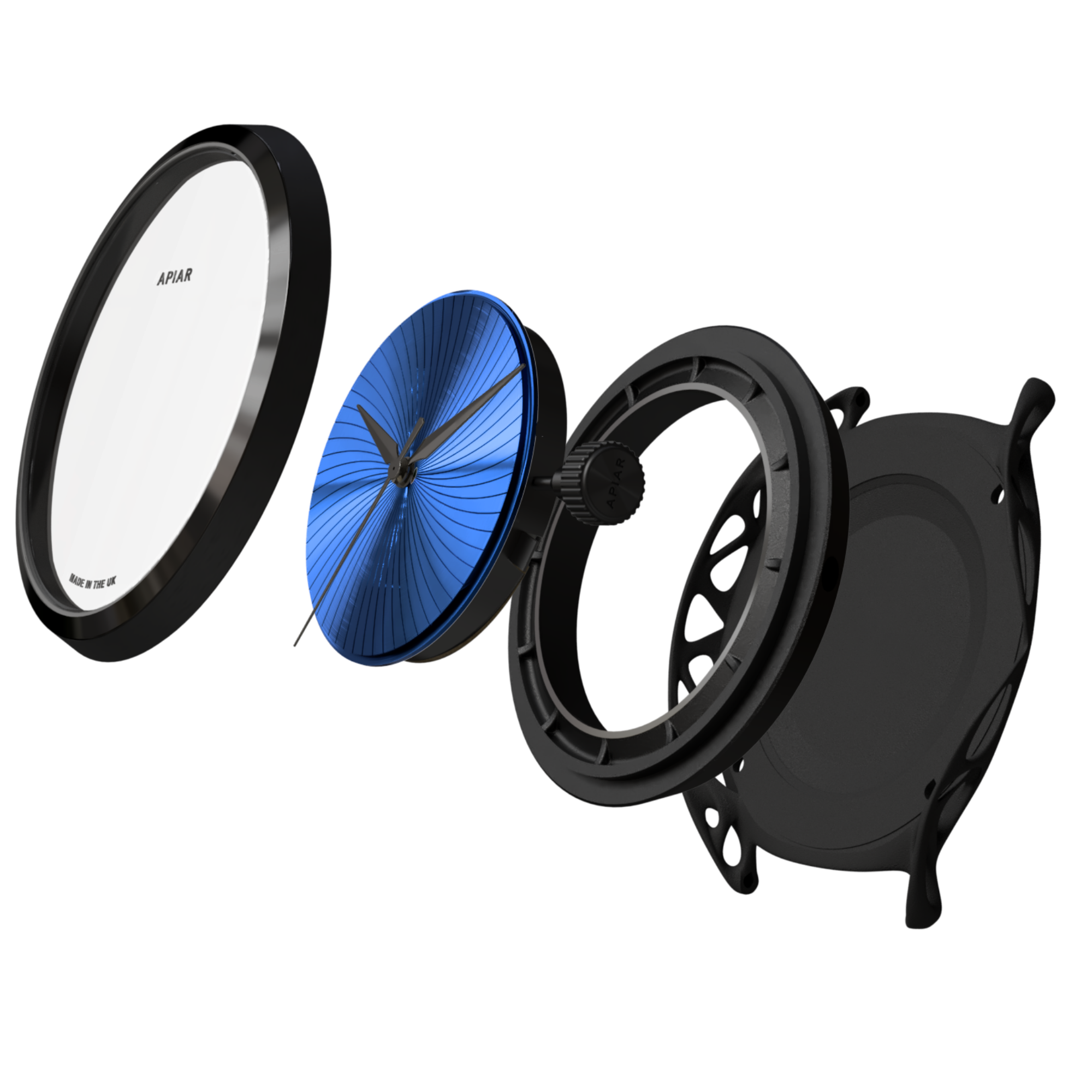
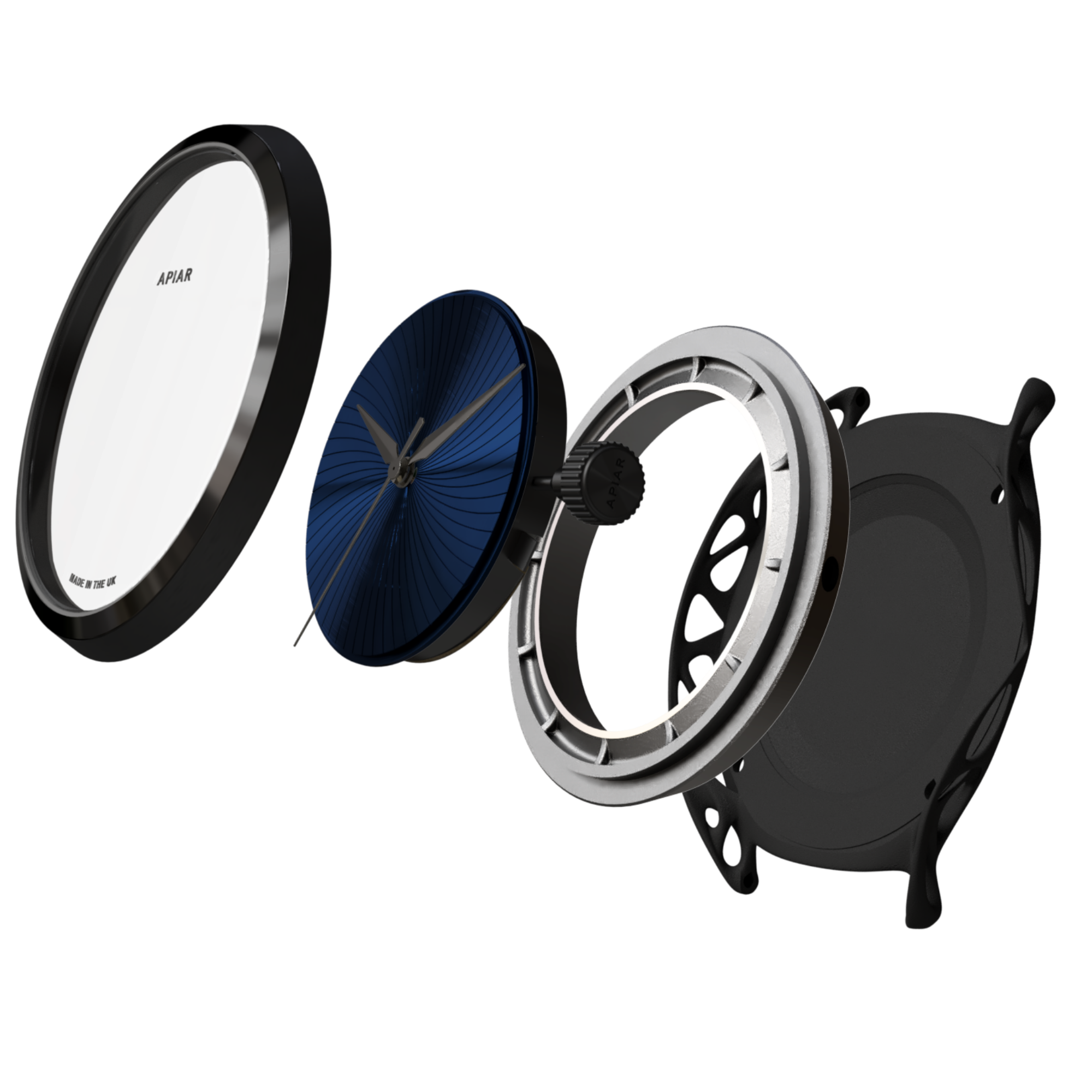
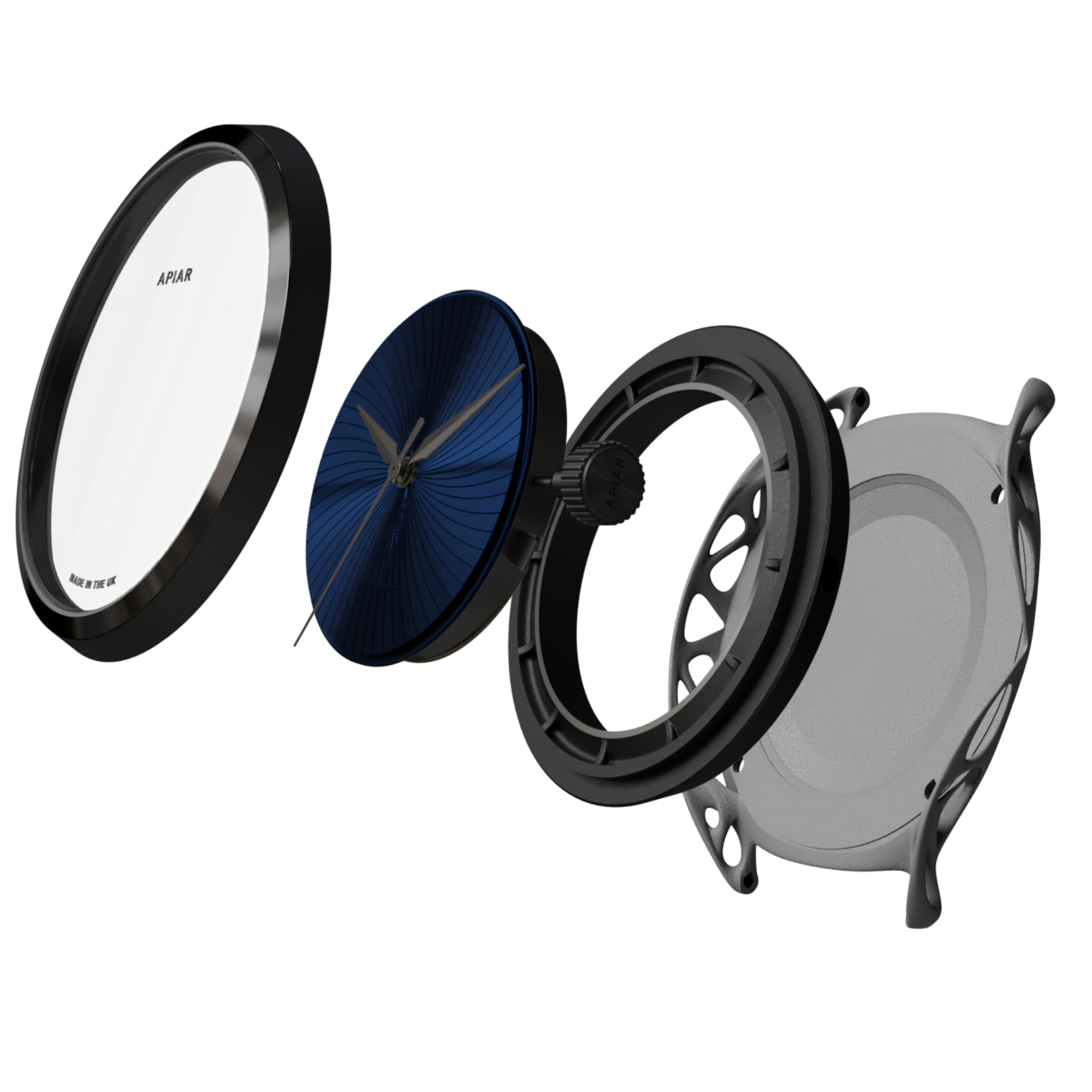
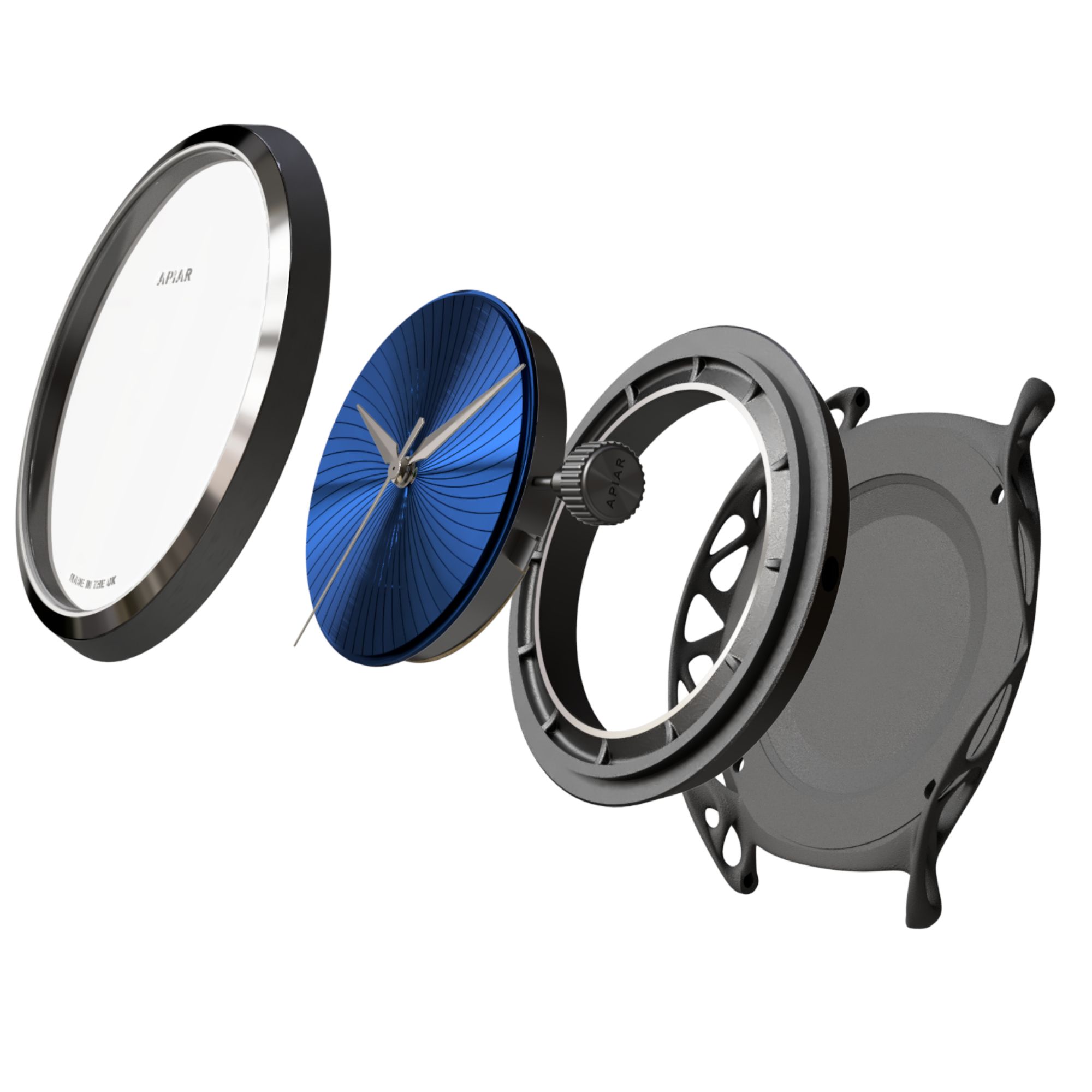
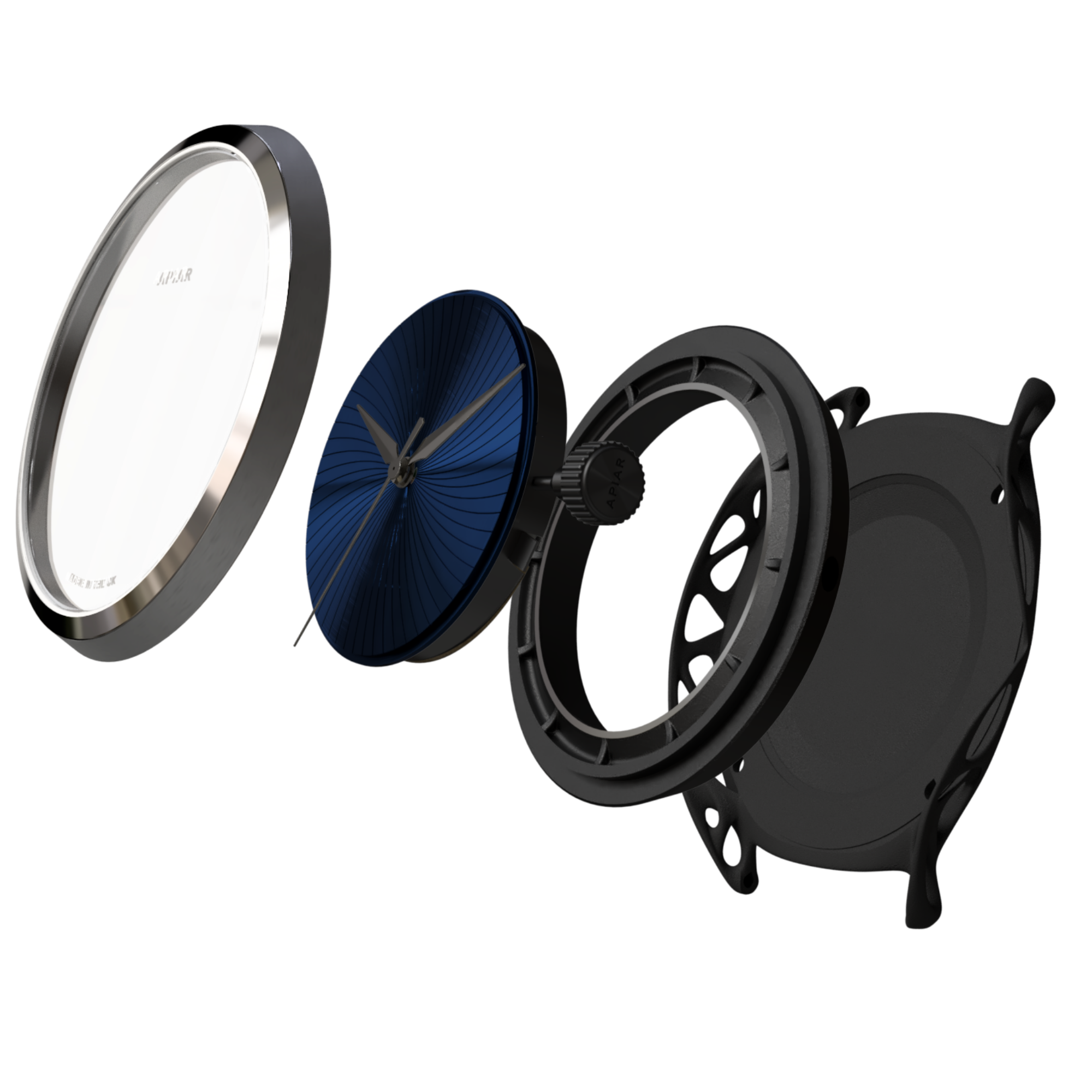
Full Assembly Bezel Dial Midcase Caseback
Select a part
Swipe
Back to
Full Assembly

Apiar Base

Carbon Footprint Breakdown

Select a part or swipe to view the carbon emissions across material sourcing, manufacturing, and transportation for each specific component.

Material Sourcing 4.2 kg CO₂e
Manufacturing 8.7 kg CO₂e
Transportation 1.1 kg CO₂e
TOTAL EMISSIONS
14.0 kg CO₂e

Explore the Collection

Gen1.0 Primary Gen1.0 Secondary

Explore the Gen1.0

Gen1.1 Primary Gen1.1 Secondary

Explore the Gen1.1

ERB Primary ERB Secondary

Explore the ERB

Carbon1.0 Primary Carbon1.0 Secondary

Explore the Carbon1.0

Bespoke Primary Bespoke Secondary

Explore our lab

Help us build the impossible

Shop now
Watches
Build better
Our story
Labs
Get In Touch
FAQs
Legal Stuff Privacy Policy
© 2024 Apiar. All rights reserved.


Apiar London Ltd
‍
Registered in England at 71-75 Shelton Street, London, England, WC2H 9JQ.
‍This isn’t a store or mailing address, so don’t visit us or send mail here! Here’s how to contact us.
‍
‍
Company Number: 14513888
VAT Number: 453 9081 80

By clicking “Accept All Cookies”, you agree to the storing of cookies on your device to enhance site navigation, analyze site usage, and assist in our marketing efforts. View our Privacy Policy for more information.
Preferences Deny Accept
Privacy Preference Center
When you visit websites, they may store or retrieve data in your browser. This storage is often necessary for the basic functionality of the website. The storage may be used for marketing, analytics, and personalization of the site, such as storing your preferences. Privacy is important to us, so you have the option of disabling certain types of storage that may not be necessary for the basic functioning of the website. Blocking categories may impact your experience on the website.
Reject all cookies Allow all cookies
Manage Consent Preferences by Category
Essential
Always Active
These items are required to enable basic website functionality.
Marketing
These items are used to deliver advertising that is more relevant to you and your interests. They may also be used to limit the number of times you see an advertisement and measure the effectiveness of advertising campaigns. Advertising networks usually place them with the website operator’s permission.
Personalization
These items allow the website to remember choices you make (such as your user name, language, or the region you are in) and provide enhanced, more personal features. For example, a website may provide you with local weather reports or traffic news by storing data about your current location.
Analytics
These items help the website operator understand how its website performs, how visitors interact with the site, and whether there may be technical issues. This storage type usually doesn’t collect information that identifies a visitor.
Confirm my preferences and close